Public Pools and Autistic Children


A Hidden Trigger Some Parents May Overlook
As warm weather returns, many children spend more time in swimming pools. For most families, swimming is healthy and enjoyable. But in some autistic children—especially those with gastrointestinal sensitivity, recent antibiotic exposure, respiratory reactivity, or ongoing biological treatment—pool exposure may be followed by a temporary worsening in symptoms. Chlorine-based pool disinfectants can react with sweat, urine, skin cells, and personal care products to form chloramines and other disinfection by-products, which are known irritants, particularly for the eyes, skin, and respiratory tract.
Why parents sometimes notice a problem after swimming
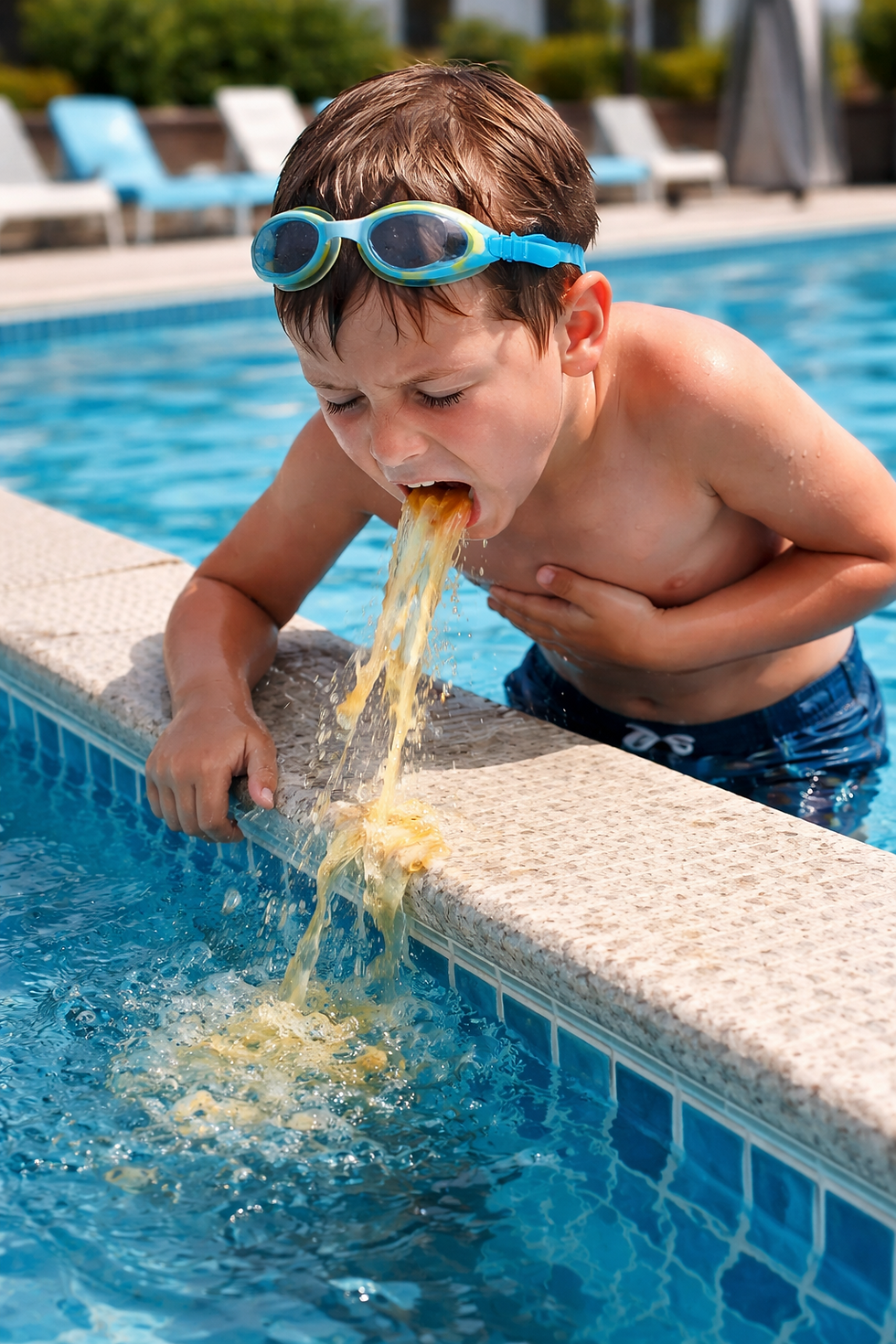
Some children seem worse after pool time. Parents may notice nausea, bloating, stomach discomfort, vomiting, irritability, hyperactivity, poor sleep, or behavior that looks “infection-like.” Pool exposure does not necessarily mean the child has an infection. But chloramine-rich water or air can irritate mucosal surfaces and may trigger inflammatory or stress responses that resemble illness, especially after prolonged exposure or when a child swallows pool water. Respiratory irritation from chloramines is well documented, particularly in indoor pools where these compounds can accumulate in the air above the water.
It is not just chlorine

Chlorine is added to pools to kill harmful germs, but once it reacts with contaminants introduced by swimmers, additional compounds are formed. Reviews of pool chemistry and health effects describe chloramines and trihalomethanes among the major disinfection by-products found in pool water and air. These compounds are generally considered more reactive and more irritating than free chlorine alone.
How exposure happens

Children can be exposed in three main ways: by swallowing pool water, by breathing air just above the pool surface, and by skin contact during prolonged swimming. Swallowing water is common in children who dive, jump, or swim underwater repeatedly. Indoor pools may pose a greater respiratory burden because chloramines can build up in the air if ventilation is poor.
Why some autistic children may be more vulnerable
Autistic children often have higher rates of gastrointestinal symptoms, altered intestinal permeability, oxidative stress, and neuroimmune dysregulation than controls, although severity varies from child to child. Because of that, some children may be less tolerant of environmental irritants when their system is already stressed. The gut–brain axis is also a recognized biological pathway through which gastrointestinal disturbance can influence behavior, sleep, and emotional regulation.

What about the gut microbiome?
This area should be described carefully. Chlorine and chlorine-related compounds are antimicrobial, and some laboratory or animal studies suggest they can influence gut microbial composition. However, direct proof that ordinary recreational pool exposure dramatically disrupts the gut microbiome in children is still limited. The strongest evidence at present supports irritation and exposure to disinfection by-products, while the microbiome effect remains biologically plausible but not fully established in real-world pool settings.
Saltwater pools are not chlorine-free
Many parents assume saltwater pools are gentler because they contain no chlorine. In reality, saltwater pool systems generate chlorine on site by electrolysis of salt water. That means exposure to chlorine-based disinfectants still occurs, even if the smell or feel may differ from a conventional chlorinated pool.
Important perspective
Chlorine is a reactive chemical and, in high-concentration gas form, it is hazardous to the lungs; historically, chlorine gas was even used as a weapon in World War I. But that does not mean every properly maintained swimming pool is dangerous in the same way. The key point is not panic. The key point is that some biologically sensitive children may react to pool chemicals or disinfection by-products more than others, and parents should be aware of that possibility.
What parents can do

Do not automatically forbid swimming. For many children, swimming supports movement, sensory regulation, confidence, and joy. Instead, reduce unnecessary exposure: keep pool sessions shorter, discourage swallowing pool water, choose well-maintained and well-ventilated pools, shower immediately after swimming, rinse the nose if needed, and encourage fluids afterward. If a child reliably worsens after pool exposure, reduce frequency temporarily and reintroduce gradually while observing tolerance.
Warning signs to watch for

Pay attention if your child repeatedly develops nausea, vomiting, abdominal bloating, unusual fatigue, cough, eye irritation, sleep worsening, agitation, or regression-like behavior after swimming. A clear repeat pattern matters more than a single isolated event. Persistent breathing problems, severe vomiting, or marked lethargy should be assessed medically.
Key takeaway
Swimming pools are not harmful for every child. But for some autistic children—especially those with gut sensitivity, oxidative stress, respiratory reactivity, or increased biological vulnerability—public pools may act as a hidden trigger of temporary worsening. We should not unnecessarily deprive a child of swimming. We should simply understand what may influence the child’s condition and respond thoughtfully.
The Effects of Chlorinated Drinking Water on the Assembly of the Intestinal Microbiome by David Martino CDC: https://www.cdc.gov/healthy-swimming/toolkit/chloramines-and-pool-operation.html?utm_source=chatgpt.com


Taking fluids is sufficient after the pool day or should we take any other precautions before a pool day?
My son once got SO sick after swimming. He developed a fever and threw up. He developed a chest infection and needed to go on antibiotics. The only time he's ever been that sick was after swimming! But now he just does swimming lessons in a warm salt water pool, doesn't like putting his head under (which turns out is a good thing, as less swallowing water) and lessons are no more than half an hour. So we're now doing most of it right, although not showering after, so will make sure he does that from now on. Great article!
Thankyou, do you recommend a dose of vitamin C after to help with detox?