PART 6. AUTISM: UNDERSTANDING, DIAGNOSIS, AND TREATMENT

Chapter 1: The Retropharyngeal Abscess
More than twenty years have passed since my father died. And yet he is the person I remember most vividly, the one I think about almost every day.
I sometimes look back and question whether my father played a more essential role than I realized. It is as if he handed me a lens I didn't know I was carrying, allowing me, decades later, to see the invisible thread connecting a body's struggle with infection to the brain's struggle with development.
He was a strict man, emotionally restrained and severe. As a child, I was afraid of him; that fear followed me through adolescence like a shadow. For years, I carried deep resentment, convinced his harshness was excessive. But as my medical knowledge grew, and as I reflected on my childhood through the lens of physiology, I began to understand what was truly happening—and perhaps why my father was the way he was.
The Memory of Fire
One of my earliest memories is of lying in a crib, coughing violently. My throat was burning, as if on fire. My mother told me later that I was frequently hospitalized, though the exact diagnoses escaped me then. I remember the blur of white lab coats and my father’s face, exhausted and distressed, as he asked: “When will this finally stop?”
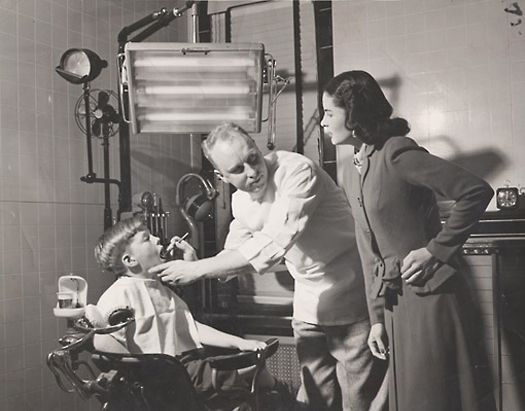
The memory of the retropharyngeal abscess remains the sharpest. I remember the middle of the night, unable to breathe, being rushed to a clinic. I remember the surgeon’s scalpel wrapped in gauze and the sudden, sickening release of greenish-yellow fluid.
“We made it just in time,” the doctor said.
“If this had ruptured into the chest, we would have lost him.”

The "Impenetrably Stupid" Student
When I started school, the biological fire in my throat moved to my mind. My teachers were brutal. My homeroom teacher claimed I was "incapable of learning." My English teacher called me "impenetrably stupid." To the principal,
I was a behavioral failure.
I was held back a year. I couldn't memorize a single English word; Russian grammar was a foreign landscape I couldn't navigate. By the eighth grade, the system had given up on me. I was moved to an evening school.
And then, something remarkable happened.
That summer, I was diagnosed with a trio of systemic insults: a chronic streptococcal infection, giardiasis, and a fungal infection. The treatment was intensive—painful injections, infusions, and repeated bile sampling. But as the pathogens were cleared from my body, the fog lifted from my brain. By autumn, I felt like a different person. My mind was clear, my behavior stabilized, and my academic performance soared.
I suspected then what I know now: medical treatment played a far more decisive role in my "intelligence" than the change in schools.
From the Personal to the General
What happened to me was not called autism; today, it would be diagnosed as a Learning Disability. But the etiology—the root cause—is the same. Behind the "antisocial behavior," the aggression, and the inability to process language lay a neurobiological foundation.
When we look at the brain in these states, we see a specific map of dysfunction:
The Prefrontal Cortex: Responsible for self-control and planning; when inflamed, it can lead to impulsivity.
The Hippocampus: When impaired by infection, memory formation becomes impossible.
The Amygdala: Hyperactivity here amplifies anxiety into aggression.
Discipline or Rehabilitation?
My story raises a fundamental moral question: Do we have the right to demand from a child what an illness makes impossible?
If a child has a streptococcal infection leading to PANDAS (Pediatric Autoimmune Neuropsychiatric Disorders Associated with Streptococcal Infections), they aren't "bad”, they are under autoimmune attack. If Toxoplasma gondii is disrupting their neurotransmitters, they aren't "defiant”, they are chemically imbalanced. Chronic herpesvirus infections—HSV-1, CMV, EBV—are associated with memory impairment and emotional dysregulation. Borrelia burgdorferi, the agent of Lyme disease, can invade the central nervous system, leading to anxiety and depression.
The gut microbiome must not be overlooked. Dysbiosis and impaired intestinal barrier function promote neuroinflammation, which in turn disrupts brain development and cognition.
Can We Try to Help?
What if we viewed learning disabilities not only as pedagogical challenges, but as medical conditions? What if behind difficulties with attention, memory, learning, or even mild antisocial behavior lie biological processes—chronic inflammation, latent infections, neurotransmitter imbalance, and immune dysfunction?
Had comprehensive diagnostics and treatment been available in my childhood, would my journey to science have been less torturous? Today, we can offer other children what we did not have.

Should we begin by assessing inflammation and considering anti-inflammatory therapy? Might gentle immunomodulators and antioxidants reduce neuroinflammatory burden and restore learning capacity?
Should we exclude infection as a contributing factor? If chronic viral or bacterial infections underlie behavioral instability and cognitive decline, is antimicrobial therapy not justified?
What about neurotransmitter balance?
Could dopamine or serotonin deficiency be causal rather than incidental? Might careful correction improve emotional stability and concentration?
And the microbiome—do we underestimate its role? Probiotics, dietary modifications, elimination of gluten or sugar—could these reduce inflammation and support cognition?
Finally, why do we still treat cognitive therapy as secondary? Combined with medical correction, neuropsychological rehabilitation, and sensory integration may offer a real opportunity for recovery.
Understanding brain mechanisms, infection, inflammation, and gene regulation—is this not the path toward a new therapeutic approach? One in which the child is no longer seen as a problem, but as someone who can, and must, be helped.
Returning to Father

Throughout those years, my father was the pillar of my discipline. He monitored my grades and, crucially, he insisted on my medical treatments.
For years, I saw his strictness as punishment. Only later did I understand it as a profound, wordless paternal love. He saw the potential in me that the teachers had dismissed, and he fought the infections in my body with the same severity he used to enforce my studies.
His dedication is the blueprint I use today for my own daughter, Mary Rose. I realized that my father didn't just save my life at the clinic, he saved my future by refusing to accept my "stupidity" as a fixed trait.
My father’s harsh vigilance was the lens that eventually allowed me to see that behind every "problem child" is a biological mystery waiting to be solved.


Amazingly insightful. Thank you for sharing!
Beautiful… this brought tears to my eyes 🥹
Exceptional excerpt from your upcoming book!! You have incredible insight
Wow, Dr Ken. Thank-you so much for sharing such personal details of your life. I find it mind blowing reading all of this. I can also totally understand why you think of your father everyday and the impact he's had on your life! You are very much alike. ❤️