GcMAF AND AUTISM: WHAT PARENTS SHOULD KNOW


A CAREFUL, SCIENCE-BASED SUMMARY
Some parents are hearing that GcMAF may help children with autism by “fixing the immune system” or reducing inflammation. That idea sounds appealing, especially because many children with autism do have immune, inflammatory, or gastrointestinal issues. But the key question is not whether the idea sounds interesting.
The key question is: HAS GCMAF ACTUALLY BEEN SHOWN TO HELP AUTISTIC CHILDREN?
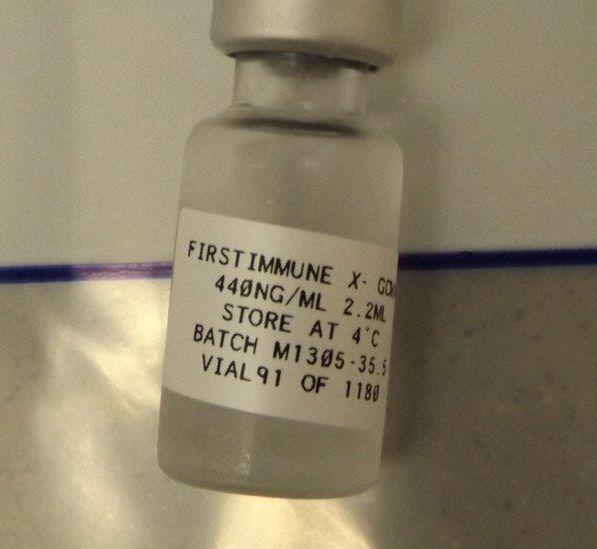
WHAT IS GcMAF?
GcMAF stands for Gc protein-derived macrophage activating factor. It is described as a modified form of vitamin D–binding protein. The theory is that it may affect the immune system by activating macrophages, immune cells involved in inflammation, the cleanup of microbes and damaged tissue, and immune signaling. Recent laboratory work supports that GcMAF can interact with immune-cell pathways, but that still does not prove it helps autistic children in real life.
WHY DO SOME PEOPLE THINK IT MIGHT HELP AUTISM?
Supporters usually make three arguments.
FIRST, they say that some children with autism show signs of immune dysregulation or chronic inflammation. That part is reasonable and is discussed in mainstream reviews of autism biology.
SECOND, they say GcMAF may “activate” macrophages and help rebalance immune function. That is a theoretical mechanism, not a proven clinical benefit.
THIRD, many promoters use a blood marker called NAGALASE, claiming that high NAGALASE means the body is not making enough natural GcMAF and that treatment should lower it. This marker has played a major role in GcMAF promotion, but it has not become an established clinical biomarker for autism treatment, and reductions in a lab number do not automatically mean a child’s autism symptoms are truly improving.

IS GcMAF FDA-APPROVED?
In general, FDA approval requires evidence that a product is safe and effective and that it is manufactured to a reliable quality standard. The FDA also warns that unapproved drugs can pose significant risks because they have not been reviewed for safety, effectiveness, or quality.

CAN GcMAF HELP AUTISTIC CHILDREN?
There is no high-quality proof that GcMAF improves the core symptoms of autism.
What we have instead are:
a small chart-review paper,
a lab study on immune cells,
editorials and promotional materials,
anecdotal reports.
That is not enough to say that the treatment works. To demonstrate benefit, researchers typically need randomized, blinded, placebo-controlled trials with clear outcome measures, such as language, social interaction, repetitive behaviors, adaptive function, or validated rating scales. That kind of evidence is missing here.
WHAT ARE THE MAIN PUBLISHED GcMAF AUTISM PAPERS?
1) Bradstreet et al., 2012
Title: Observed increased nagalase in autism responds to GcMAF therapyWhat it reported: This paper reviewed records from 40 patients with autism who had nagalase levels measured before and after GcMAF. The authors reported lower nagalase levels after treatment and reported symptom improvement in a substantial proportion of patients. THE STUDY ITSELF STATES THAT IT WAS A PRELIMINARY AND RETROSPECTIVE EVALUATION.
2) Siniscalco et al., 2014
Title: The in vitro GcMAF effects on endocannabinoid system transcriptionomics, receptor formation, and cell activity of autism-derived macrophagesTHIS STUDY DID NOT TREAT CHILDREN. It studied macrophages in the lab derived from autistic children and reported that GcMAF changed gene expression and reduced signs of macrophage over-activation in those cells.This is an IN VITRO study, meaning it happened in cells in a laboratory dish, not in children in a clinic. Cell studies can help researchers generate ideas about mechanisms, but they do not tell us whether treatment is safe or effective in real patients. Many substances exhibit interesting effects in vitro but fail in human studies.
3) Ruggiero, 2016
Title: Gc Protein-Derived Macrophage Activating Factor (GcMAF) and Autism: Do Clinical Results Require a Novel Interpretation?This paper argues that some effects attributed to GcMAF may actually relate to chondroitin sulfate or another component rather than GcMAF itself.
According to the paper, there was no proof of efficacy. If anything, IT HIGHLIGHTS SCIENTIFIC CONFUSION about the product and mechanism.
ARE THERE KNOWN SIDE EFFECTS?
Because there have not been good autism trials, the side-effect profile is not well defined. That is itself a concern.
Potential risks include:
reactions at the site of injection,
unpredictable immune effects,
contamination or sterility problems if products come from unregulated sources,
lost time and money while families pursue unproven therapy.
ARE THERE QUALITY OR CONTAMINATION CONCERNS?
In 2015, the UK medicines regulator, MHRA, warned about an unlicensed GcMAF product sold for conditions including autism. The agency reported that:
The blood plasma starting material was labeled “NOT TO BE ADMINISTERED TO HUMANS OR USED IN ANY DRUG PRODUCTS.”
The production site did not meet Good Manufacturing Practice standards,
There were concerns about sterility and possible contamination, and
The products had not been tested for quality, safety, or effectiveness.
This does not automatically describe every product sold under the name GcMAF, but it shows why parents should be extremely careful with any unregulated biologic.
BOTTOM LINE FOR PARENTS
GcMAF is a theoretical immune treatment, not a proven autism therapy. It has:
no FDA approval for autism,
no strong clinical trials showing benefit,
uncertain safety data, and
real concerns about product quality in some marketed forms.
A fair scientific conclusion is this: GcMAF IS EXPERIMENTAL.
Parents should be cautious about strong claims, especially when they come from social media or sellers of the product itself.
FINAL MESSAGE TO PARENTS
It is understandable to search for new solutions. It is understandable to hope.
But hope must be guided by science.
GcMAF represents the idea that the immune system plays a role in autism. That idea is correct.
However, the current form of that idea is incomplete.
THE BETTER PATH IS NOT TO CHASE ISOLATED IMMUNE STIMULATORS, BUT TO UNDERSTAND, REMOVE, RESTORE, AND REGULATE THE BIOLOGICAL SYSTEMS THAT DRIVE THE CHILD’S CONDITION.
THIS APPROACH IS SLOWER. IT REQUIRES MORE THINKING.BUT IT IS FAR MORE LIKELY TO LEAD TO REAL AND LASTING IMPROVEMENT.


Thanks Dr Ken for clarifying this. It’s something that I have heard about recently, so I'm glad that you outlined the risks. I won't be pursuing it!