Antibiotics and Autism: When Are They Necessary?


Antibiotics should not be used simply because a child has autism. Autism itself is not an indication for antibiotic therapy. Antibiotics are appropriate only when there is evidence of a bacterial infection, SIBO — small intestinal bacterial overgrowth — or IMO — intestinal methanogen overgrowth — and when treatment is prescribed and monitored by a qualified clinician.
Modern pediatric antibiotic stewardship emphasizes using antibiotics only when necessary, with the right drug, dose, duration, and route, to reduce side effects and antimicrobial resistance. https://publications.aap.org/pediatrics/article/147/1/e2020040295/33434/Antibiotic-Stewardship-in-Pediatrics?utm_source=chatgpt.com
It is important to understand the main principle of modern medicine:
Antibiotics do not treat autism.
They may be used only when a child has:
✔ a bacterial infection;
✔ a chronic inflammatory process of bacterial origin;
✔ SIBO — small intestinal bacterial overgrowth;
✔ IMO — intestinal methanogen overgrowth.
That is why we always say:
❗ No infection — no antibiotic.
Why Is This Important?
Many autistic children already have:
gut dysbiosis;
increased intestinal permeability;
fungal overgrowth;
inflammation;
immune regulation abnormalities.

When Can Antibiotics Really Be Helpful?
In some cases, bacterial infections or bacterial overgrowth in the intestine become a source of chronic inflammation.
This may present as:
• abdominal pain;
• bloating;
• severe constipation;
• diarrhea;
• worsening behavior;
• sleep disturbances;
• increased sensory hypersensitivity;
• regression of skills;
• chronic fatigue;
• autoimmune manifestations.
Sometimes after treatment of the infection, parents notice:
✔ improved sleep;
✔ reduced irritability;
✔ improved concentration;
✔ reduction of inflammatory symptoms;
✔ improved gastrointestinal function.
But this does not mean that antibiotics “treat autism.” It means that eliminating infection reduces the additional burden on the body.
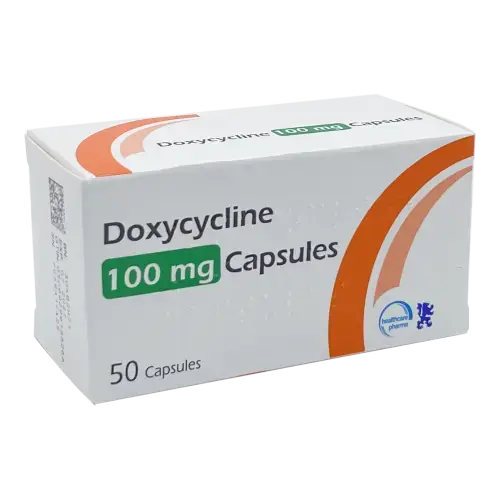
Special Attention: Doxycycline
One of the most discussed medications is doxycycline.
Why is it interesting to physicians?
Doxycycline:
✔ acts against intracellular bacteria;
✔ is active against Mycoplasma and Chlamydia;
✔ is used in some tick-borne infections;
✔ has not only antibacterial but also anti-inflammatory properties.
In addition, doxycycline penetrates tissues well and may influence inflammatory processes associated with chronic infections.
But Doxycycline Is Not a Harmless Medication
Despite its advantages, it has important limitations.

Possible Problems:
• photosensitivity;
• sunburns;
• skin irritation;
• nausea;
• esophageal irritation;
• potential effects on teeth and enamel during prolonged use in children.
It is especially important to remember the sun.
During therapy, the skin becomes significantly more sensitive to ultraviolet light. Sometimes even short exposure to the sun may cause a severe burn.
Minocycline and Other Alternatives

Minocycline may sometimes be considered as an alternative to doxycycline, but it is not always safer. It can cause dizziness, vestibular symptoms, skin pigmentation, liver reactions, and rare autoimmune complications. Choice of antibiotic should depend on the suspected organism, age, weight, lab findings, prior reactions, and treatment goal.
Other antibiotics sometimes used for gut overgrowth or specific infections may include rifaximin, metronidazole, amoxicillin-clavulanate, azithromycin, trimethoprim-sulfamethoxazole, or others. For SIBO, ACG notes that studied antibiotics include rifaximin, metronidazole, neomycin, doxycycline, ciprofloxacin, amoxicillin-clavulanate, and others.
The Biggest Mistake of Modern Practice
Today there are two extremes:
❌ “Antibiotics should never be used”
❌ “Antibiotics treat autism”
Both positions are dangerous.
The correct approach looks different:
✔ search for the cause of inflammation;
✔ evaluate the gut and infections;
✔ use antibiotics only when indicated;
✔ minimize treatment duration;
✔ restore the microbiome;
✔ monitor the child’s condition.
Main Idea
We do not treat autism with antibiotics.
We treat infections, SIBO, IMO, and inflammatory processes that may worsen the child’s condition.
Rational, cautious, and scientifically grounded therapy is always safer than extremes.



Comments